
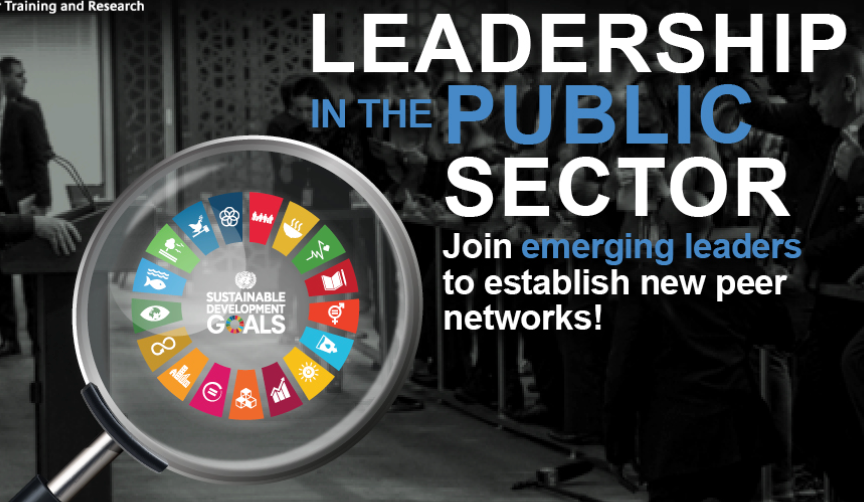

At IILPD, we believe that strong public leadership is the foundation of sustainable development, social cohesion, and institutional resilience. We are committed to developing leaders who are not only technically skilled, but also ethical, adaptive, and mission-driven — capable of delivering measurable public value and positive impact for communities worldwide.
An advanced executive certification for professionals leading humanitarian programs across the UN system, international NGOs, and global emergency response organizations.

An advanced professional certification preparing leaders to manage complex humanitarian emergencies, field operations, and crisis coordination — building the competencies required to lead life-saving interventions with confidence, ethics, and operational excellence.
This certification equips humanitarian professionals with the leadership, operational, and coordination capabilities required to manage emergencies, disasters, conflict environments, and complex humanitarian crises across national and international contexts.
Develop leadership competencies to guide humanitarian missions, manage high-risk operations, and uphold humanitarian principles while delivering measurable impact in crisis settings.
Strengthen your ability to plan, deploy, and manage humanitarian field operations, logistics systems, and emergency response mechanisms across fragile contexts.
Build expertise in multi-agency coordination platforms, humanitarian clusters, and intergovernmental response systems supporting large-scale humanitarian action.
Designed for professionals working in humanitarian response, disaster management, emergency operations, and crisis governance roles seeking advanced leadership certification.
A competency-driven curriculum aligned with international humanitarian standards, emergency response frameworks, and operational leadership best practices.
Humanitarian leadership models, coordination clusters, inter-agency operations, and crisis governance frameworks across complex emergencies.
Emergency supply chains, humanitarian logistics coordination, deployment strategies, and field operations management under crisis conditions.
Protection frameworks, safeguarding systems, ethical decision-making, accountability mechanisms, and community-centered humanitarian response practices.
Early warning systems, preparedness planning, resilience frameworks, and disaster governance across national and international humanitarian systems.
Humanitarian policy formulation, emergency governance frameworks, institutional coordination models, and humanitarian diplomacy.
Monitoring systems, accountability frameworks, beneficiary feedback mechanisms, and impact evaluation methodologies for humanitarian interventions.
Flexible enrollment pathways designed for humanitarian professionals at different career stages and operational responsibilities.
Join global humanitarian leaders strengthening emergency response systems, protecting vulnerable populations, and advancing humanitarian governance worldwide.
Apply Now